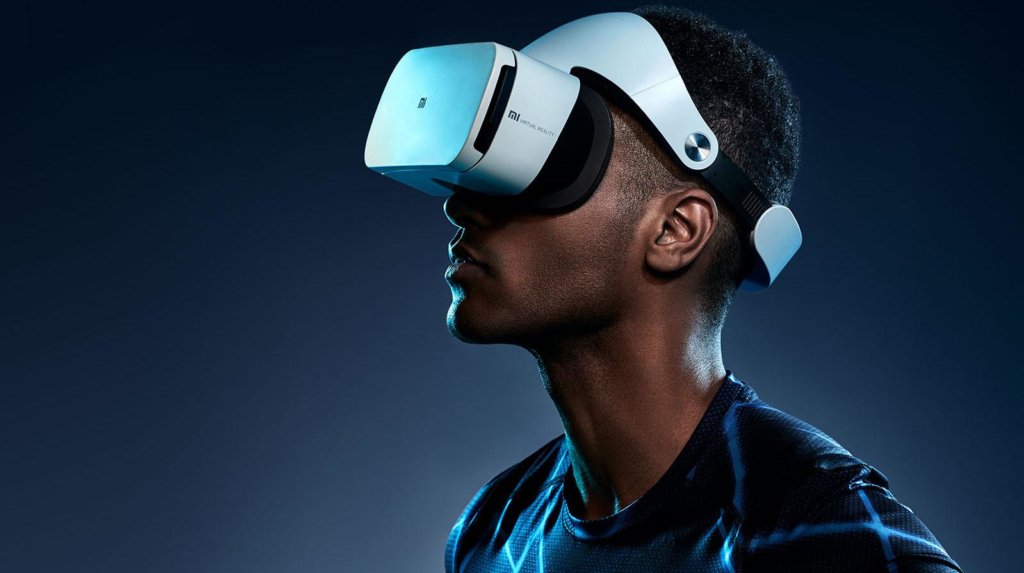


Along with the strategic game play, the Super Bowl is also known for its entertaining and big-budget commercials that always seem to be a talking point for the weeks and even months to follow. This year’s Super Bowl saw the introduction of a new form of advertising by Volvo that incorporated virtual reality on the company’s app for three resilient participants. If they spent their Sunday evening taking a test drive on the manufacturer’s app rather than watching the Super Bowl, they would win a sedan.
This was an innovative approach at drawing consumers eyes away from a highly televised sports championship, with dozens of high-profile commercials, and focusing the attention on Volvo’s brand with the incentive of winning a new car. The press this gained is enough to ask ourselves what the next steps are when it comes to virtual tools and recognizing the impact they already have in our every day lives. Taking a virtual test drive of a car on an app is one of the most simplistic practices for VR, considering the variety of industries that rely on virtual tools and platforms to run their businesses.
From using services such as Skype to stay connected with co-workers from anywhere around the world, to secure data rooms for the safe storage and sharing of confidential documents and seamless collaboration—virtual tools have become integral to the way individuals and businesses manage their daily processes. A key thing to take away from this incorporation of virtual reality in something as innocuous as a Super Bowl advertisement is that our lives will only continue to become more intertwined with digital tools, making it even easier to stay connected and much more necessary to implement safe online practices as well as pushing for innovation between competing companies for the utmost efficiency in the digital tools they offer consumers.